Artificial Intelligence refers to the development of computer systems that can perform tasks
Call Us
+88 (09) 53 33 09Call Us
hellotechito@gmail.comCall Us
72 Kneeland St, Suite 305, NY, USAQ
Artificial Intelligence refers to the development of computer systems that can perform tasks
72 Kneeland St, Suite 305, NY, USAQ
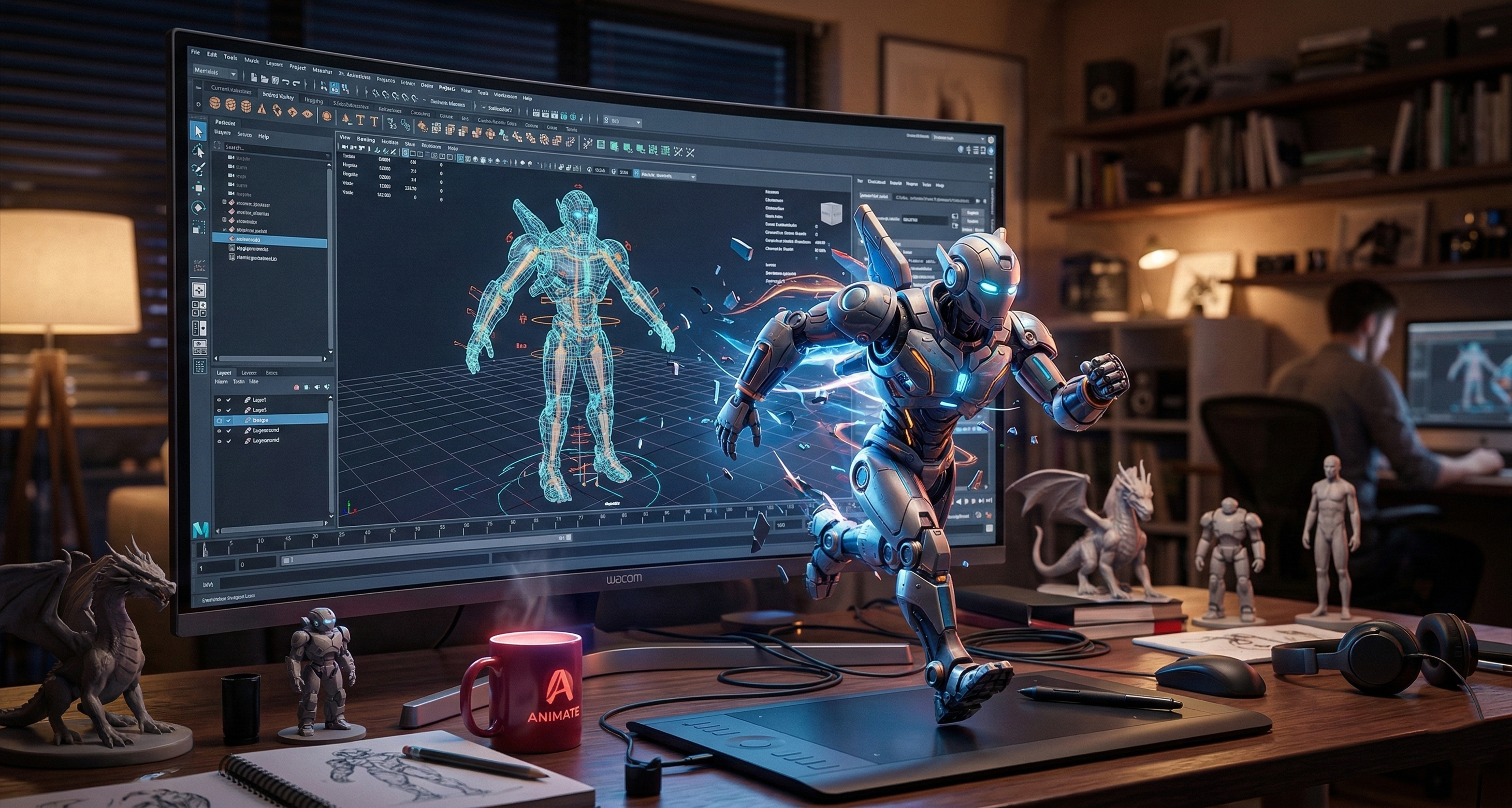
3D animation is the process of creating moving images in a three-dimensional digital environment using computer graphics. In this technique, artists build digital objects, characters, and environments in 3D space and then animate them to create the illusion of movement and life. Unlike traditional 2D animation, which uses flat drawings, 3D animation allows objects to have depth, realistic lighting, textures, and camera movement. This technology is widely used in films, video games, advertisements, architectural visualization, and online content creation. Many famous animated films such as Toy Story and Frozen use advanced 3D animation to create believable characters and immersive worlds
At RTverse Studio, 3D animation projects begin with developing a clear creative concept and visual direction. The team first designs the characters, environments, or objects that will appear in the animation. After the models are created, artists add detailed textures and materials to give them a realistic or stylized appearance. The next step involves rigging, which is the process of building a digital skeleton inside a 3D model so it can move naturally. Once the rig is ready, animators bring the characters and objects to life by carefully controlling movement, timing, and expressions.
Lighting and rendering are then used to create a cinematic look, ensuring that every scene appears visually appealing and believable. Finally, compositing and post-production techniques are applied to refine the animation, add visual effects, and prepare the final output for film, advertising, or digital platforms. Through this process, RTverse Studio transforms creative ideas into dynamic 3D animations that tell stories, explain concepts, and capture the attention of audiences.
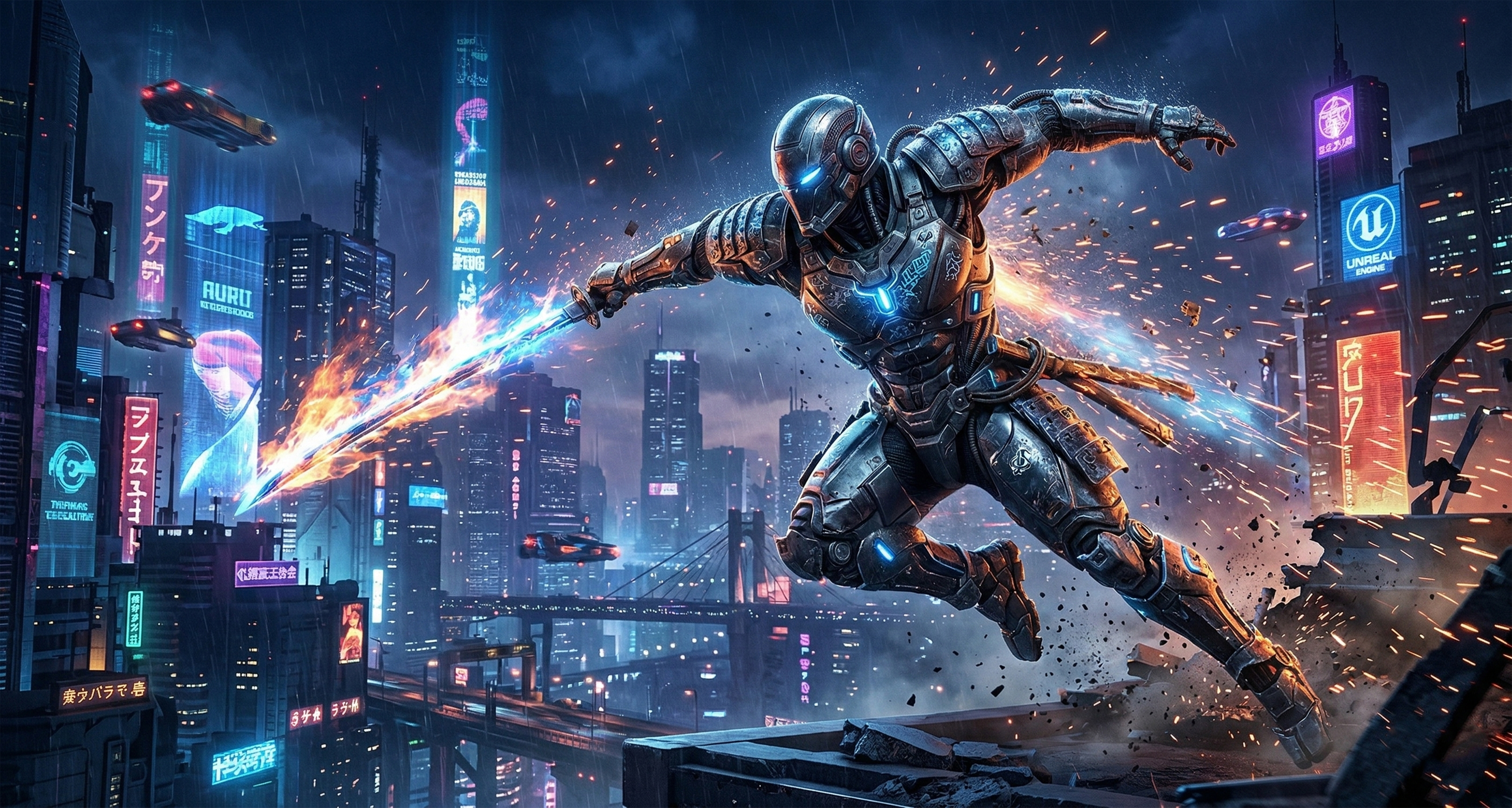
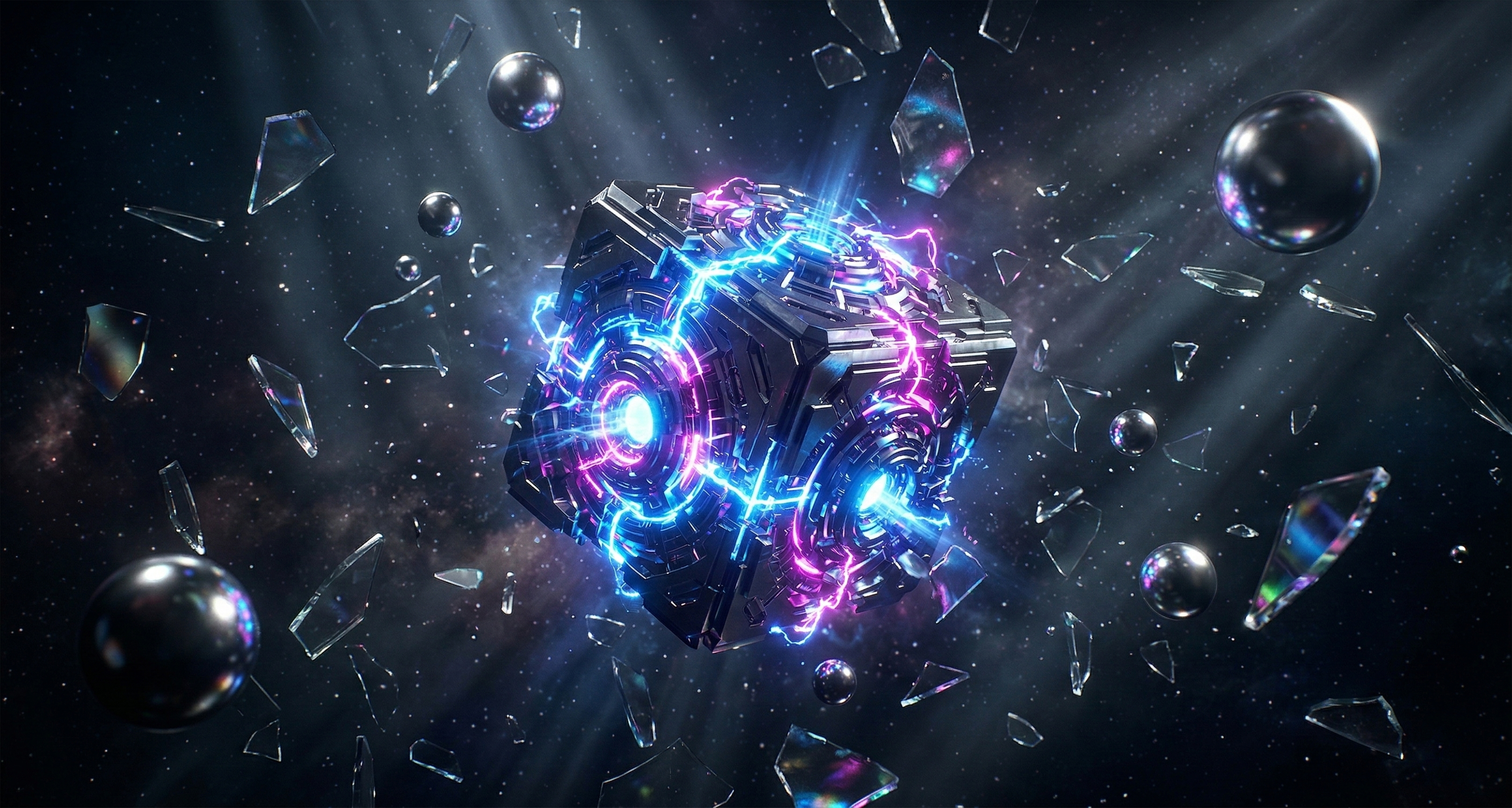


The process begins by creating the 3D assets needed for the animation. Characters, environments, and props are modeled with clean topology and detailed textures. Characters are then rigged with a skeleton and control system, allowing them to move naturally and be ready for animation.
In this stage, the characters and objects are brought to life through animation. Keyframes, motion timing, and camera movements are carefully crafted to create smooth and realistic motion. Lighting, materials, and scene composition are also set up to build the final visual style.
Once the animation is complete, the scene is rendered using high-quality lighting and shaders. Final adjustments such as color correction and compositing are applied to produce a polished animation ready for film, advertising, games, or digital media.