Artificial Intelligence refers to the development of computer systems that can perform tasks
Call Us
+88 (09) 53 33 09Call Us
hellotechito@gmail.comCall Us
72 Kneeland St, Suite 305, NY, USAQ
Artificial Intelligence refers to the development of computer systems that can perform tasks
72 Kneeland St, Suite 305, NY, USAQ
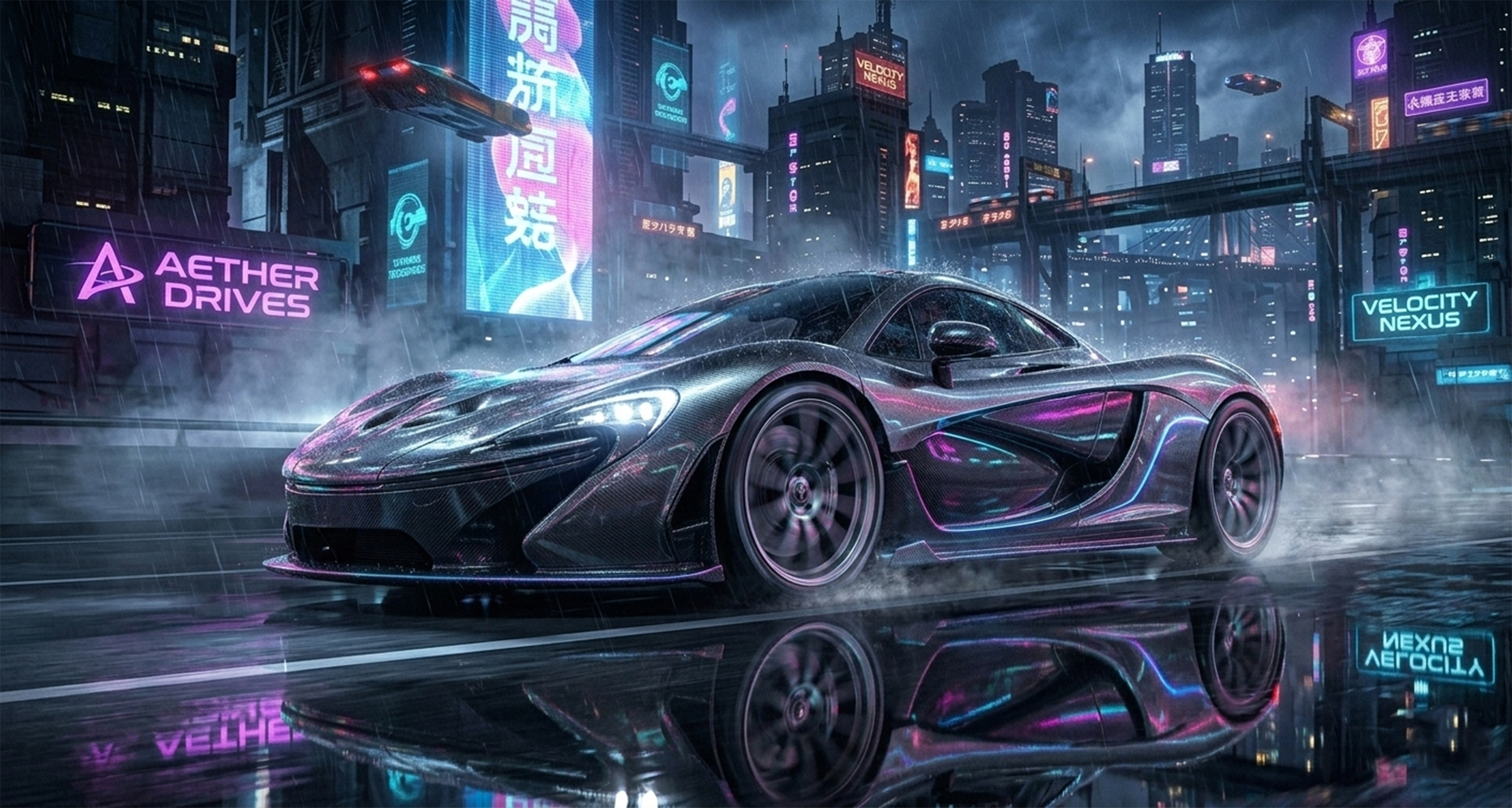
Computer-Generated Imagery (CGI) is the process of creating visual content using computer graphics. It allows artists to generate realistic or stylized images, objects, environments, and characters entirely in a digital space. CGI is widely used in films, television, advertisements, video games, and product visualization because it can create scenes that are impossible, expensive, or unsafe to capture with real cameras. Through advanced techniques such as 3D modeling, texturing, lighting, animation, and rendering, CGI can produce highly detailed visuals that look almost identical to real-life photography. Many blockbuster films such as Avatar and Avengers: Endgame rely heavily on CGI to create digital characters, futuristic environments, and large-scale action sequences that could not exist in the real world.
At RTverse Studio, CGI production begins with developing a strong visual concept based on the client’s idea or project requirements. Artists first create detailed 3D models of objects, characters, or environments using professional 3D software. After the models are created, textures and materials are applied to give surfaces realistic detail such as metal, skin, glass, or fabric. The next step involves setting up lighting and cameras inside the digital scene to achieve a cinematic and natural appearance. If the project requires movement, animation techniques are used to bring the digital elements to life.
Once the scene is fully prepared, the rendering process converts the 3D scene into high-quality images or video frames. The final stage includes compositing and color correction to ensure the CGI elements blend perfectly with other visual components if live-action footage is involved. Through this process, RTverse Studio transforms creative ideas into visually stunning CGI content that can be used for films, advertising, product showcases, and digital media, helping brands and creators present their ideas in a powerful and visually impressive way.
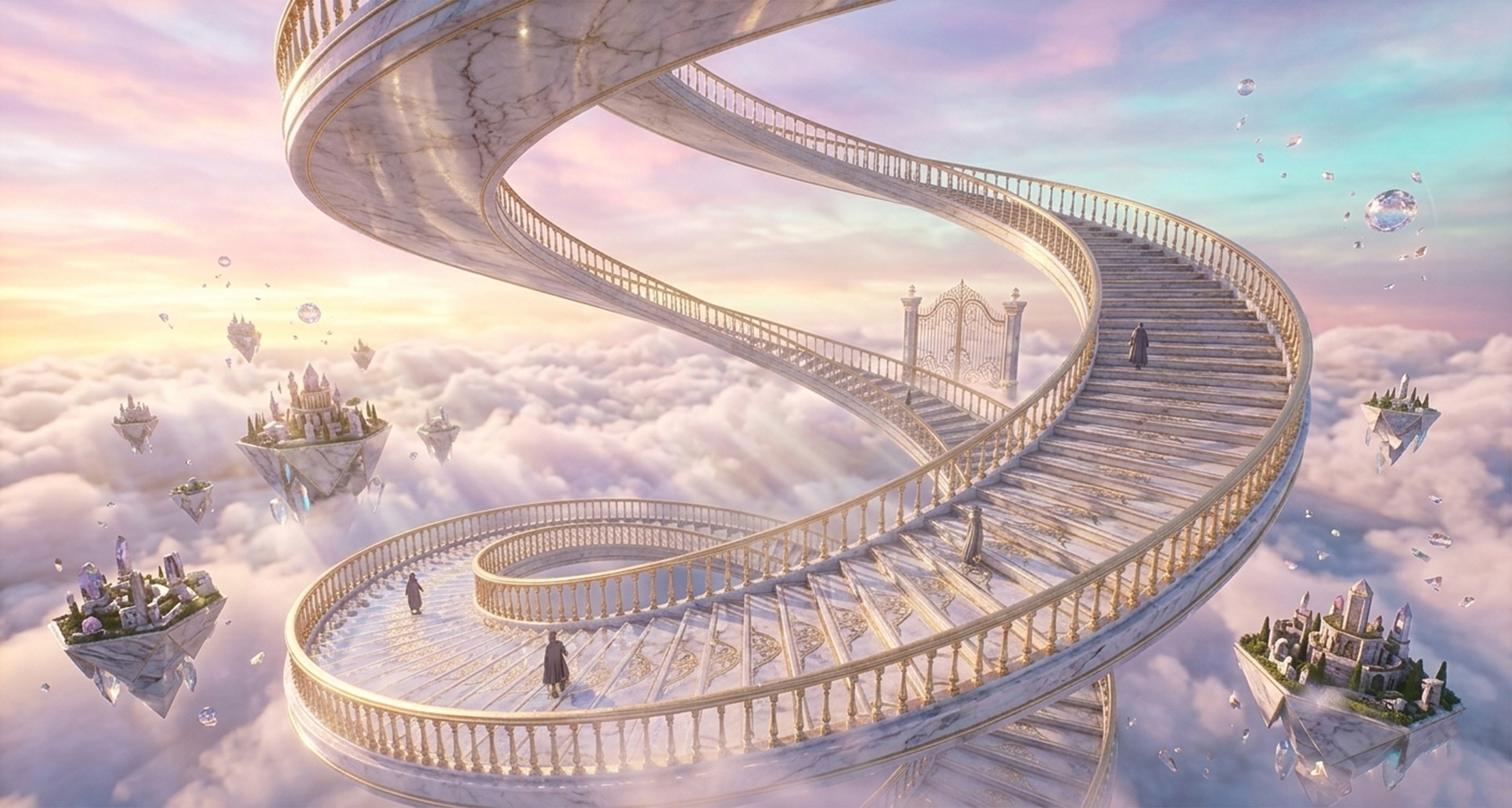



The process begins with developing the visual concept and planning the scene. 3D assets such as characters, environments, and props are modeled and textured to match the desired style and realism.
In this stage, the 3D elements are arranged within the scene. Lighting, camera angles, materials, and animations are carefully adjusted to create a realistic and cinematic visual result.
The final scene is rendered using high-quality settings. Post-processing and compositing are applied to enhance colors, details, and realism, delivering a polished CGI visual ready for films, advertisements, or digital media.